The era of manual load planning software is rapidly giving way to intelligent, data-driven solutions. As AI in logistics transforms conventional supply chain paradigms, businesses are discovering remarkable possibilities to optimize transportation and limit operational inefficiencies.
Load planning has evolved from an operational undertaking to a strategic competitive advantage powered by advanced algorithmic intelligence that allows more innovative, progressive, and responsive logistics management.
Market dynamics validate this technological transformation:
- AI-based solutions improve logistics costs by 15% and service levels by 65%. (Source: McKinsey)
- AI-based transportation technology will grow at a 22.7% CAGR, reaching USD 23 billion by 2032. (Source: Precedence Research)
These compelling statistics underscore how artificial intelligence revolutionizes logistics techniques and operational performance.
This complete guide, evolved through our extensive industry experience, will empower you to develop AI-powered software that solves complicated logistical challenges and drives widespread business value.
Understanding Load Planning and Optimization
Modern logistics demands precision and performance, with load planning and load optimization emerging as essential techniques for transportation fulfillment.
These techniques are vital equipment that helps businesses maximize resources, lessen costs, and streamline freight management operations.
What is Load Planning, and How Does Load Planning Software Work?
Load planning is the systematic technique of arranging and distributing cargo within a vehicle to maximize space usage, ensure safety, and meet transportation guidelines.
Load planning software uses advanced algorithms to research cargo characteristics, vehicle specifications, and transportation constraints. It presents real-time suggestions that assist logistics managers in making informed selections about cargo arrangements, ultimately reducing empty miles and improving fleet performance.
What is Load Optimization, and How Does Load Optimization Software Work?
Load optimization is an advanced strategic technique that goes beyond critical load planning. It uses artificial intelligence and machine learning to maximize transportation performance and cost-effectiveness.
Load optimization software analyzes complex variables, including automobile capacity, route conditions, delivery schedules, and historical performance information. By leveraging intelligent algorithms, those tools provide data-driven insights that assist businesses in making strategic decisions to refine their logistics app development process and supply chain operations.
Mastering load planning and optimization is essential; however, demanding situations like inefficiencies, errors, and delays arise frequently. Let’s discover how load planner software solves key challenges encountered in the process.
How Load Planning Software Solves Key Challenges?
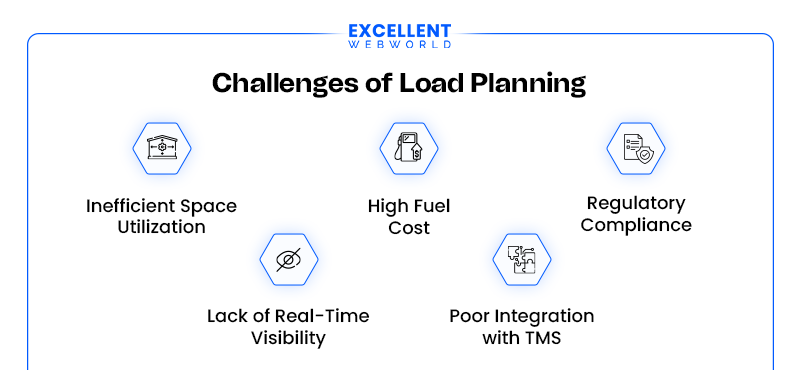 Load planning in logistics has converted from a manual, time-consuming process to an intelligent, technology-driven solution.
Here are the key day-by-day demanding situations that modern transportation and supply chain managers face and how load planner software can assist.
1. Inefficient Space Utilization and Freight Underloading/Overloading
Freight operations often struggle with suboptimal shipment loading, resulting in extensive monetary losses. Inefficient space usage means trucks regularly travel with partial loads or improperly distributed weight, leading to decreased profitability, elevated transportation expenses, and potential safety risks.
How the trucking dispatch software helps:
- Automatically calculates optimal weight distribution
- Prevents overloading and underutilization of vehicle capacity
- Reduces transportation costs by improving load density
- Provides real-time visual loading recommendations
- Minimizes manual intervention and human error
2. High Fuel Costs and Route Inefficiencies
Transportation companies face escalating fuel charges and operational inefficiencies because of non-optimized routing and loading techniques. Traditional dispatch strategies result in unnecessary mileage, circuitous routes, and inefficient load consolidation, which inflate operational charges.
How the load tracking system addresses issues:
- Integrates route optimization with load planning
- Calculates most fuel-efficient loading and routing strategies
- Reduces empty miles through intelligent load matching
- Provides predictive analytics for fuel consumption
- Enables dynamic route adjustments based on real-time conditions
3. Regulatory Compliance and Safety Risks
The transportation industry operates within complex, stringent regulatory frameworks governing vehicle weight, cargo distribution, and protection requirements. Managing these necessities introduces compliance risks, legal penalties, and safety risks.
How the truck load planning software ensures compliance:
- Automatically validates load against regional weight regulations
- Generates comprehensive compliance documentation
- Tracks and alerts potential safety risks in real-time
- Maintains detailed digital records for audit purposes
- Ensures consistent adherence to transportation safety standards
4. Poor Integration with TMS, WMS, and ERP Systems
Logistics operations frequently depend on more than one disconnected software system. Lack of seamless integration between transportation management systems (TMS), warehouse management systems (WMS), and enterprise resource planning (ERP) solutions results in data inconsistencies, delayed decision-making, and decreased operational visibility.
How the load management software resolves integration:
- Offers flexible API connections with existing systems
- Supports standard integration protocols
- Enables seamless data exchange across platforms
- Provides a unified dashboard for comprehensive insights
- Reduces manual data entry and synchronization efforts
5. Lack of Real-Time Visibility and Load Tracking
Modern supply chain management needs supreme levels of transparency and real-time information. Traditional tracking strategies provide limited, outdated insights into cargo status, region, and potential disruptions. It hampers proactive decision-making, consumer conversation, and overall operational responsiveness.
How the load tracking software enhances visibility:
- Implements GPS and IoT-enabled tracking mechanisms
- Provides real-time location and status updates
- Offers predictive estimated time of arrival (ETA)
- Supports comprehensive shipment monitoring
- Generates detailed performance analytics
Now that we know how load planning software addresses demanding situations, the subsequent step is choosing the right solution. Different types of load planning software provide unique capabilities. Let’s explore the numerous alternatives to find the best fit.
Types of Load Planning Software
In the complicated world of logistics, load planning software is a critical tool for transportation professionals seeking to maximize performance and decrease operational fees. Understanding the exclusive varieties of shipping techniques can dramatically transform your freight management strategy.
1. Full Container Load (FCL) / Full Truckload (FTL) Shipping
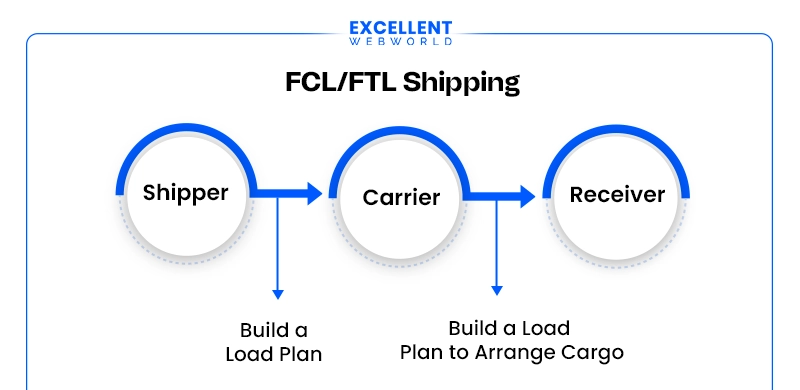 Full Container Load (FCL) – a shipping approach where a single shipper solely uses an entire maritime container
Full Truckload (FTL) – a transportation technique wherein a single shipper’s items fill a truck – represents dedicated drop and hook trucking solutions that maximize shipment efficiency and minimize handling complexities. Use Cases:
- Automotive manufacturing supply chains
- Large-scale industrial equipment transportation
- Agricultural bulk commodity shipping
- Furniture and home appliance distribution
- Chemical and hazardous material transportation
- Aerospace and defense component logistics
- Seasonal retail inventory movement
2. Less Than Container Load (LCL) / Less Than Truckload (LTL) Shipping
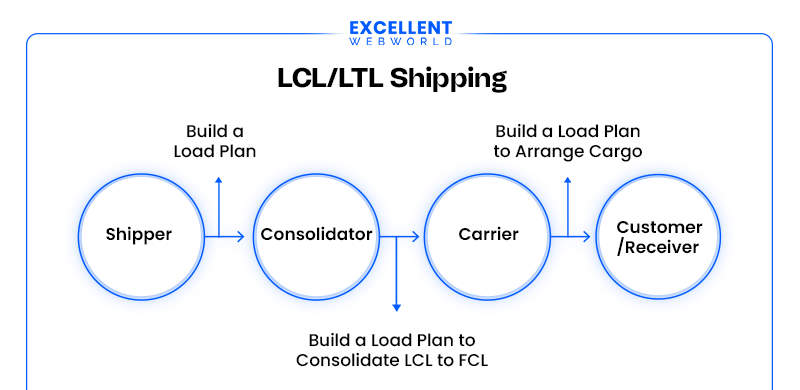 A. Less Than Container Load (LCL) – a maritime shipping method wherein multiple shippers’ items are consolidated within a single box.
B. Less Than Truckload (LTL) – a road transportation approach where different shippers’ freight shares truck space – provides flexible and cost-effective AI-driven logistics planning solutions for businesses with smaller cargo volumes.
Use Cases:
- eCommerce product fulfillment
- Small manufacturing parts distribution
- Pharmaceutical sample shipments
- Artisan and craft product distribution
- Specialized equipment for service industries
- Research and laboratory sample transportation
- Prototype and limited edition product logistics
Types of Load Planning and Optimization Software by Industry
Modern industries are transforming their logistics through modern load and route optimization technologies. These intelligent software solutions help corporations maximize performance, lower prices, and streamline complex transportation challenges throughout multiple sectors.
| Industry | Type of Software | Primary Function |
|---|---|---|
| Logistics and Freight | Freight Load Optimization Software | Maximize truck capacity, minimize empty miles, optimize delivery routes |
| Retail and E-commerce | Warehouse Load Planning Software | Optimize warehouse space, consolidate shipments, reduce shipping costs |
| Manufacturing and Industrial | Production Load Scheduling Software | Coordinate material transportation, reduce logistics overhead, synchronize production |
| Automotive and Heavy Equipment | Fleet Load Balancing Software | Optimize vehicle transportation, ensure weight distribution, manage complex loads |
| Aerospace and Defense | Aviation Cargo Load Optimization Software | Manage equipment transportation, ensure compliance, track sensitive shipments |
| Food and Beverage | Cold Chain Load Planning Software | Maintain product integrity, optimize refrigerated transport, minimize spoilage |
| Healthcare and Pharmaceuticals | Pharma Logistics Optimization Software | Ensure regulatory compliance, track sensitive shipments, manage critical supply chains |
| Oil and Gas | Hazardous Material Load Planning Software | Optimize hazardous material transportation, ensure safety, minimize transportation costs |
| Construction and Building Materials | Heavy Load Transport Software | Coordinate large-scale material movement, optimize equipment transportation |
| Postal and Parcel Delivery | Courier and Last-Mile Load Optimization Software | Maximize delivery efficiency, optimize package consolidation, reduce transportation expenses |
Understanding the different load planning software types helps select the right solution, but customization can unlock even greater efficiency. Next, let’s explore the key features to include when developing custom load planning software to meet specific business needs and operational goals.
Key Features to Include in Custom Load Planning Software Development
Selecting the right features transforms load planning from a tactical challenge to a strategic advantage. Your modern warehouse automation strategy should have the right mix of basic and advanced features according to your business requirements.
Basic Features
| Feature | Description |
|---|---|
| Compliance Management | Automated checking of regional weight restrictions, safety regulations, and transportation guidelines |
| Fleet Utilization Tracker | Real-time monitoring of vehicle capacity and resource allocation efficiency |
| Geospatial Visualization | Interactive mapping tools displaying load distribution and route alternative |
| Performance Reporting | Comprehensive dashboards providing operational efficiency and cost savings insights |
| Basic Route Planning | Standard route mapping with fundamental distance and time calculations |
| Manual Load Entry | User-friendly interface for manual load data input and management |
| Basic Weight Distribution | Simple load balancing across vehicle cargo spaces |
| Shipment Tracking | Basic tracking of shipment status and location |
| Inventory Sync | Elementary synchronization with existing inventory management systems |
| Vehicle Assignment | Manual vehicle allocation based on basic load requirements |
| Basic Reporting | Standard operational reports and performance metrics |
| Simple Inventory Management | Basic tracking of cargo inventory and load requirements |
Advanced Features
| Feature | Description |
|---|---|
| Real-Time Load Optimization | AI-driven algorithm dynamically calculates optimal load distribution |
| Multi-Modal Route Planning | Comprehensive routing capabilities across truck, rail, air, and maritime freight |
| Integration Capabilities | Seamless connection with advanced logistics automation systems |
| Predictive Analytics | Machine learning models predicting routing inefficiencies |
| Dynamic Load Consolidation | Intelligent algorithms identifying cargo consolidation opportunities |
| Cost Optimization Engine | Advanced financial modeling to minimize transportation expenses and maximize ROI |
| Advanced Geospatial Intelligence | Sophisticated route optimization with real-time traffic and terrain analysis |
| Intelligent Decision Support | AI-powered system for complex load planning and resource allocation |
After understanding the key features essential for custom load planning software, the next step is to develop a robust solution. Let’s explore the crucial steps in building efficient load planning and optimization software, from selecting the right technology stack to implementing optimization algorithms.
How to Develop Load Planning and Optimization Software?
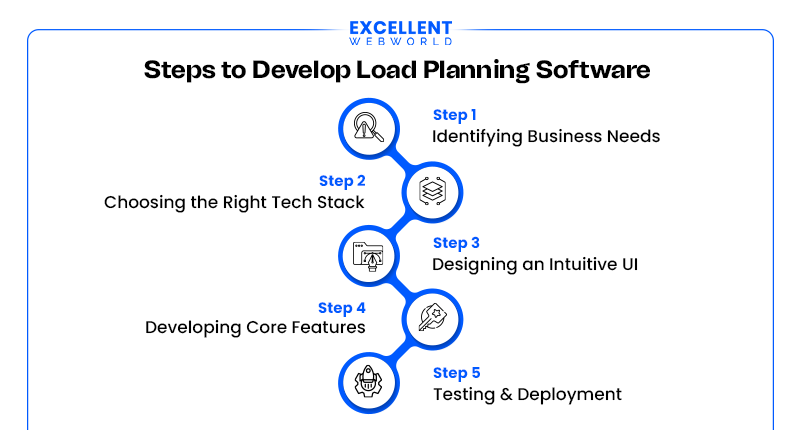 In the dynamic world of logistics, truck load optimization represents a vital technological frontier. As transportation complexities evolve, building a state-of-the-art truck load software needs a meticulous and strategic method.
Step 1:Identifying Business Needs and Market Analysis
A successful software development process begins with an exhaustive market analysis. Here are some of the comprehensive market research techniques:
- Conduct in-depth interviews with fleet managers, logistics coordinators, and transportation executives
- Analyze pain points through detailed industry surveys
- Map current technological limitations in existing load planning solutions
- Examine regulatory frameworks across different geographical regions
Here are some of the components you must analyze during market analysis: 1. Operational Inefficiencies Assessment
- Quantify current challenges in load distribution
- Calculate potential cost savings through optimized planning
- Identify recurring bottlenecks in transportation workflows
2. Regulatory Compliance Mapping
- Investigate weight regulations in different jurisdictions
- Understand safety compliance requirements
- Develop a framework for adaptive regulatory adherence
3. Competitive Landscape Evaluation
- Perform feature-by-feature comparison of existing solutions
- Identify technological gaps and innovation opportunities
- Understand pricing models and market positioning of competitors
Step 2: Choosing the Right Technology Stack
Selecting the most fulfilling technology ecosystem is vital for building a software development framework with extraordinary logistics efficiency. Here are factors you should keep in mind when selecting a tech stack:
- Scalability and performance: Ensure the technology can cope with growing operational complexities and assist future enterprise expansion.
- Integration flexibility: Create adaptable architectural solutions that integrate seamlessly with present systems.
- Security and data safety mechanisms: Ensure strong cybersecurity practices are in place to safeguard sensitive logistics data. Working with a cybersecurity services provider can help implement advanced security protocols tailored to your logistics platform.
- Future-proofing capability: Select technology with long-term viability and continuous updates.
Here are tech stack components that we recommend based on our years of experience in providing logistics solutions: 1. AI and Machine Learning Infrastructure:
- Leverage cutting-edge machine learning frameworks
- Develop intelligent load optimization algorithms
- Utilize powerful statistical tools for data-driven insights
- Develop custom neural network architectures for load optimization
- Design specialized AI models for complex logistics challenges
2. Cloud Architecture
- Use microservices-based design
- Build modular, independently deployable software components
- Implement containerization using Kubernetes and Docker
- Use serverless architecture and computing for dynamic resource allocation
3. Database and Storage Solutions
- Use distributed database systems
- Configure IoT in logistics operations to enable real-time data processing capabilities
- Utilize secure and scalable data storage architectures
4. Integration Technologies
- Use RESTful and GraphQL API designs for seamless data exchange
- Implement Webhook for real-time notification and synchronization
- Utilize event-driven integration patterns
Step 3:Designing an Intuitive User Interface
User interface design transcends aesthetic considerations, focusing on creating intuitive, powerful interaction experiences for logistics professionals. Here are interface design principles you should keep in mind:
- Create transparent, layered visual displays of complex logistics data
- Implement visual cues that instantly communicate load and fleet status
- Develop dynamic, engaging graphics for load planning and distribution
- Ensure consistent user experience across different device types
- Design intuitive touch-based interactions for mobile users
- Minimize loading times and resource consumption on all platforms
- Provide real-time visual representations of load allocation
- Integrate AI-driven predictive analytics into dashboard displays
- Create proactive communication mechanisms for critical updates
Step 4: Developing and Implementing Core Features
Developing and Implementing Core Features Core feature development represents the technological heart of your truck load optimization solution.
Here are the features you must develop and implement for your load planning software:
1. AI-Driven Load Balancing Algorithms
- Develop sophisticated algorithms considering multiple logistical parameters
- Implement forward-looking load optimization techniques
- Design dynamic systems that can instantly recalibrate load plans
2. Dynamic Fleet Management
- Create advanced algorithms for optimal vehicle selection
- Develop features that minimize fuel consumption and environmental impact
- Implement tools for tracking and minimizing environmental impact
3. Compliance and Monitoring Systems
- Create real-time compliance verification tools
- Develop comprehensive monitoring systems for operational metrics
- Provide detailed insights into logistics performance
- Implement AI-driven maintenance prediction features
- Prevent potential equipment failures and optimize fleet maintenance
Step 5:Testing, Compliance, and Deployment
Comprehensive testing ensures your logistics software meets the best overall performance, reliability, and regulatory compliance requirements. Here are the testing methodologies you can use:
- Offers flexible API connections with existing systems
How the load management software resolves integration: 1. Simulation-Based Validation
- Create extensive simulations covering diverse operational scenarios
- Validate software performance under multiple conditions
- Evaluate system performance during peak and challenging operational situations
- Compare software performance against industry standard metrics
2. Regulatory Compliance Verification
- Develop comprehensive compliance verification tools
- Ensure adherence to diverse regional transportation regulations
- Create systematic approaches to verifying safety compliance
- Design automated tools for generating compliance documentation
3. Security and Performance Assessment
- Conduct comprehensive security vulnerability assessments
- Implement and validate robust data security measures
- Continuously analyze and improve system performance metrics
- Identify and eliminate potential performance bottlenecks
Here are implementation strategies you can use:
- Phased rollout technique: Systematically introduce software functions to decrease disruption and optimize organizational adoption.
- Continuous integration and deployment: Automate software update procedures to ensure fast, seamless feature implementation and system enhancement.
- Regular performance monitoring: Implement real-time tracking mechanisms to assess and enhance software operational efficiency.
- Adaptive improvement mechanisms: Create dynamic feedback systems that enable ongoing software refinement based on user experiences.
Don’t want to get into the hassle of executing these steps meticulously? Partnering with a logistics software development company like ours allows you to create transformative solutions that revolutionize transportation and logistics operations, bringing supreme efficiency and strategic value.
Now that we’ve explored the development method for load planning and optimization software, it is vital to consider the monetary element. Let’s dive into a detailed cost breakdown to understand the investment required for such solutions.
Cost Breakdown for Load Planning Software Development
Developing load planning software is a strategic investment that could transform logistics operations. The software development cost varies significantly based on your needs, technological complexity, and implementation approach.
Understanding the potential investment is crucial for making an informed selection about your software project estimation.
| Aspect | Estimated Cost (USD) | Details |
|---|---|---|
| Basic MVP (Minimum Viable Product) | 20,000 – 30,000 | Essential features like load planning, basic automation, and simple UI |
| Full-Scale Enterprise Solution | 30,000 – 150,000 | AI-driven optimization, real-time tracking, TMS/WMS integration, and advanced analytics |
| Build vs. Buy | Custom Build: 100,000+ SaaS Subscription: 1,000 – 5,000/month | Custom software offers tailored solutions, while SaaS provides faster deployment at a lower upfront cost |
Note: Pricing Subject to Scope & Final Assessment
Expert Tip:
Start with an MVP to validate your solution and gradually scale as you demonstrate value. Also, it’s crucial to decide between nearshore software development and offshore software development.
A nearshore software development company offers better cultural alignment, real-time coordination, and faster collaboration, but is also costlier. An offshore software development company is more affordable with a larger talent pool, but faces communication barriers, cultural differences, and time zone challenges.
Factors Affecting Development Cost
Critical factors that impact your software development investment include:
- Complexity of load optimization algorithms
- The scale of system integration requirements
- Depth of AI and machine learning capabilities
- Customization and flexibility needs
- Regulatory compliance demands
- Security and data protection requirements
- Scalability and future-proofing considerations
- Performance optimization expectations
- User interface and experience design complexity
- Technical support and maintenance planning
Exploring the Top Load Planning Software of All-Time
Modern logistics demands intelligent solutions that maximise space utilisation while minimising costs across transportation networks globally. Here are the top load planning software of all time that you should be aware of:
| Load Planning Software | Description | Pricing |
|---|---|---|
| Cube-IQ | Advanced optimization program with SQL/ODBC database, drag-and-drop editing, and 3D visualization for comprehensive load planning. | Starts from $2500 |
| SeaRates Tools | World’s largest tariff search engine for international shipping with cargo insurance and digital workflow capabilities. | $399.00 one-time |
| Cargo-Planner | Trusted container, truck, and pallet loading software with dynamic container types and interactive 3D views. | $59 per month |
| Optioryx | AI-powered logistics optimization offering cartonization, truck load building, and pallet optimisation through machine learning. | $100 per month |
| LoadMaster | Intelligent loading software improving utilization by 10% and efficiency by 85% with API integration. | Free (30-day trial) |
| TruckingOffice | Web-based trucking management for fleets up to 10 vehicles with dispatch, optimization, and reporting features. | $20.00 per month |
| CTSI-Global TMS | Complete Transportation Management System with order management, load optimization, and in-transit tracking capabilities. | Not Disclosed |
| PCS TMS | Advanced transportation management solutions for end-to-end processes from planning to compliance and analytics. | Packages start at $298 |
| EasyCargo | Browser-based software with 3D visualizations, interactive cargo positioning, and single-screen interface design. | One-Day Plan: $9.7/user, Monthly: $79/user, Year: $67/user/month |
| MaxLoad Pro | Professional load optimization software for maximizing container and truck capacity utilization. | Not Disclosed |
| Goodloading | Efficient cargo loading solution designed for streamlined freight planning and space optimization. | Starting from $3500 |
Why Investing in Custom Load Planning Software is a Smart Business Move?
ORTEC’s latest industry survey reveals a stark logistics reality:
- 25% of companies cite poor load optimization as a key driver of delivery costs.
- 40% of trucks depart below 90% capacity.
- Only 25% of organizations are adopting AI-powered load planning.
These statistics show only one trend: custom AI-driven load planning software is the need of the hour. And, with 75% of companies still left to adopt emerging trends, your business has massive potential to stand out from the crowd. This is where cutting-edge software development services make the real difference.
With over 10 years of experience delivering custom logistics and supply chain solutions, we at Excellent Webworld could be your trusted technology partner. Our custom solution enables real-time visibility, seamless system integration, and AI-driven decision-making that can reduce your logistics costs significantly.
So, why wait for anything new to happen? Consult our load planning and optimization software experts today to unlock your fleet’s full potential.
Frequently Asked Questions (FAQs)
Load planning software helps logistics companies optimize truck space, reduce transportation costs, and improve delivery efficiency by maximizing cargo load and minimizing space.
AI enhances load planning by analyzing complex data, predicting optimal loading configurations, reducing manual work, and dynamically adjusting plans based on real-time logistics conditions.
Industries like transportation, shipping, warehousing, e-commerce, manufacturing, retail, and agriculture can significantly benefit from load planning software.
Yes, Load Planning Software can be customized for Full Truckload (FTL), Less Than Truckload (LTL), and multi-modal transport, adapting to different freight types and transportation requirements.
Load planning software offers scalable solutions through cloud-based platforms, modular design, and flexible architectures that can expand with increasing business complexity and data volume.
Security measures for load planning software include data encryption, access controls, secure authentication, regular security audits, compliance with data protection regulations, and robust network protection.
Cloud-based load planning software offers flexibility, remote access, and easier updates, while on-premise solutions provide more direct control, potentially higher security, and customization for specific infrastructure needs.
Key development challenges include complex algorithms, data integration, real-time optimization, and logistics scenarios. These can be overcome through advanced AI, machine learning, flexible design, and continuous testing and refinement.
Best practices include modular architecture, user-friendly interfaces, robust data integration, continuous performance monitoring, scalable design, regular updates, and comprehensive testing across different scenarios.
Custom load planning software development typically takes 4-9 months, depending on complexity, required features, integration needs, and the specific technological approach used.

Article By


Mayur Panchal is the CTO of Excellent Webworld. With his skills and expertise, He stays updated with industry trends and utilizes his technical expertise to address problems faced by entrepreneurs and startup owners.